Ontario emergency-department visits in which gambling disorder was recorded nearly doubled relative to expected levels after single-event sports betting was legalized and the province opened a regulated private online-gambling market, a new study has found.
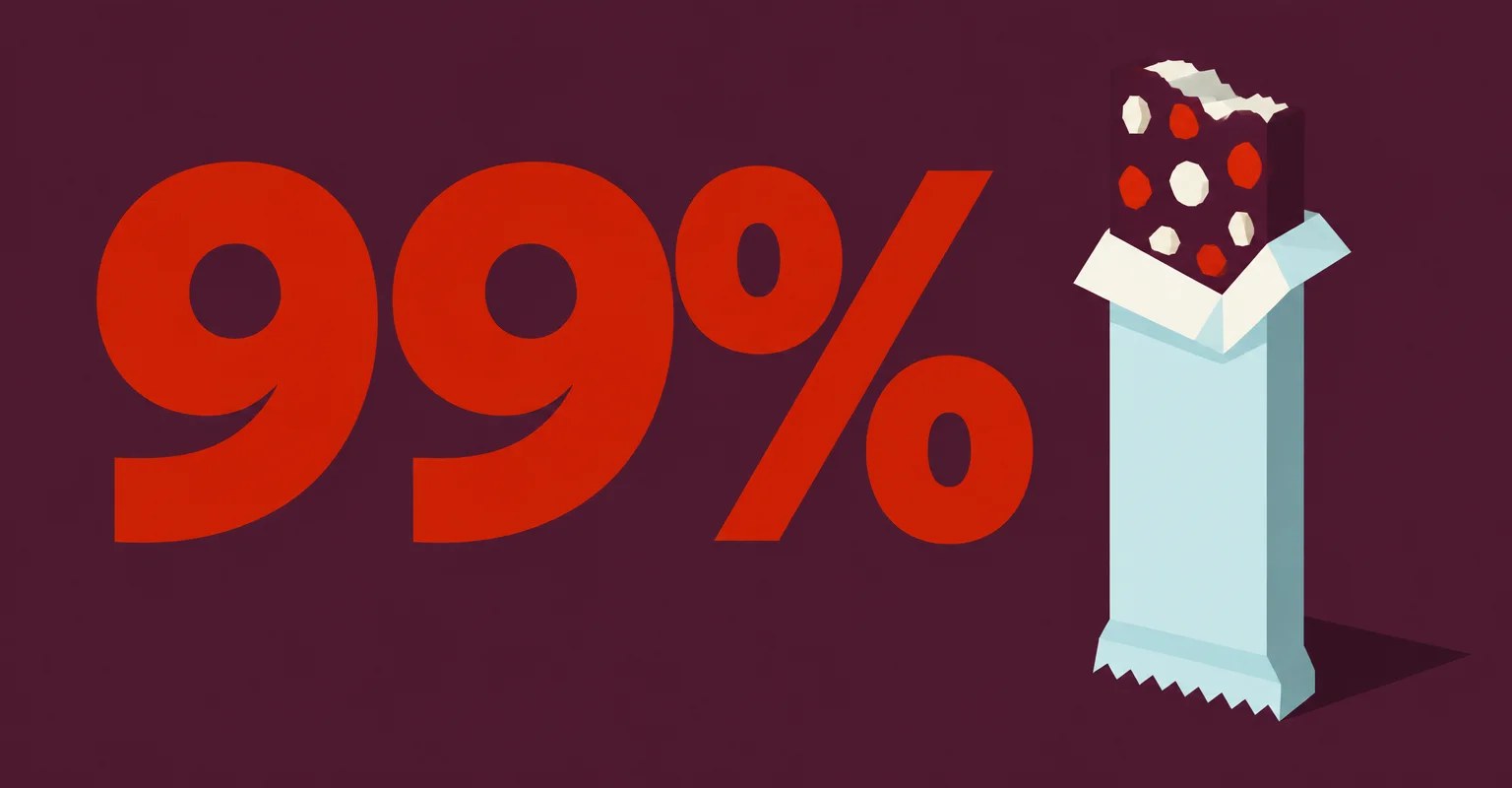
The analysis, published in the September issue of the American Journal of Preventive Medicine, tracked visits from January 2012 through June 2025. By April through June 2025, observed visits were 99% above the level researchers projected would have occurred without the policy changes, with the increase developing gradually and continuing through the study period.
Researchers at the University of Toronto examined 952 visits made by 757 people over 14 years. ICES, which released the findings, said the rise was concentrated among younger males: visits were 154% above expected among males aged 10 to 29 and 116% above expected among those aged 30 to 44. The study found no change among females.
Almost three-quarters of the patients were male. More than 70% of the visits also involved a mental-health condition or heavy substance use, while almost one-third resulted in hospital admission. The data therefore capture acute presentations rather than the wider financial, relationship or mental-health effects that may not lead to an emergency visit.
Canada allowed provinces to legalize single-event sports betting in August 2021. Ontario followed in April 2022, becoming the first province to permit private companies to operate regulated online gambling platforms alongside the existing government-run offering.
At the time of the ICES release, the market comprised 83 gaming and betting sites operated by 43 private companies. Ontarians wagered C$82.7 billion through 2.6 million player accounts on those sites in 2024. The findings add a public-health measure to Ontario’s expanding market, which we reported in August reached a record C$9.88 billion in monthly wagering.
A separate Canadian Medical Association Journal study previously found gambling-related contacts to ConnexOntario doubled after April 2022, including a 317% rise among males aged 15 to 24. ICES said increases in helpline contacts could partly reflect greater promotion of support services, but emergency departments are not promoted in gambling advertising or on betting websites as a source of help.
Earlier research on Ontario Problem Gambling Helpline calls likewise found that monthly calls about online gambling rose from an average of 29 before April 2022 to 92.9 afterward. That study found an association between the market expansion, advertising and calls, but could not separate the effect of expanded legal gambling from that of marketing because both occurred at the same time.
The authors said the emergency-department findings should prompt consideration of advertising restrictions, mandatory spending caps and closer links between gambling platforms and mental-health services. ICES said the results offer a caution to jurisdictions considering private online gambling; Alberta became the second Canadian province to permit private operators in July.